
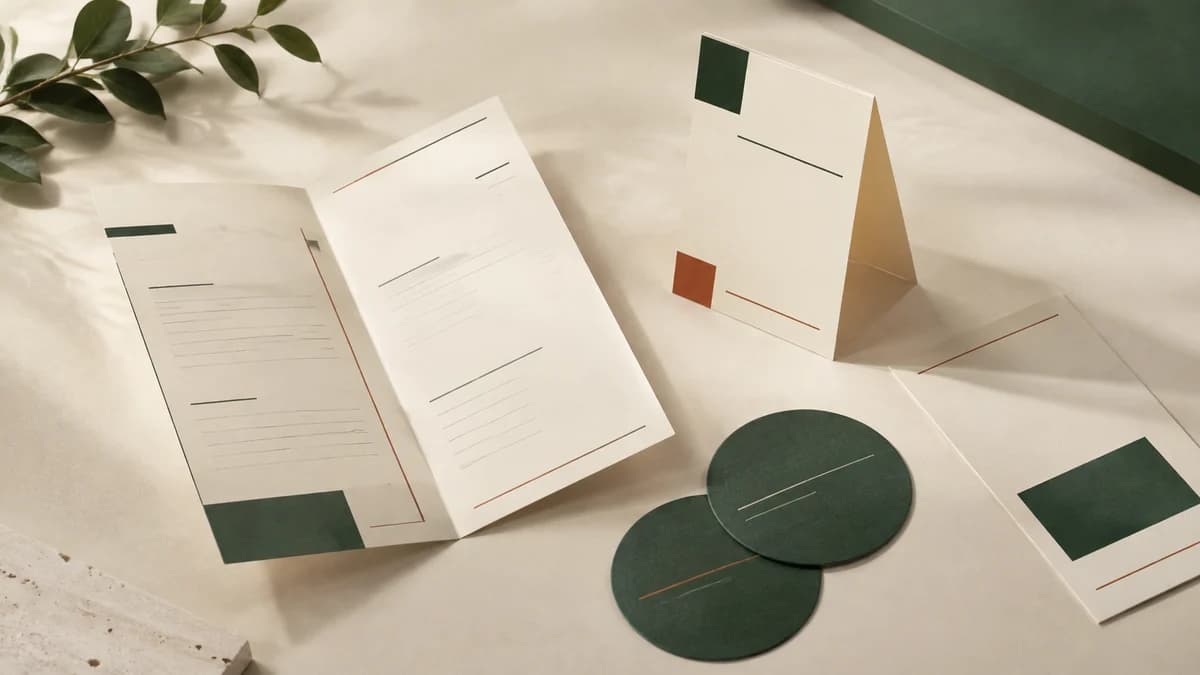
Restaurant Menu Design & Printing

Your restaurant menu is more than just a list of dishes and prices — it’s a powerful marketing tool that can make or break a customer’s dining decision. In Orange County’s competitive culinary landscape, where diners have countless options from Newport Beach’s upscale waterfront establishments to San Clemente’s casual beach cafes, a well-designed menu can be the difference between a one-time visitor and a loyal regular. Whether you’re running a family restaurant in Mission Viejo or launching a trendy gastropub in downtown Fullerton, your menu design and print quality communicate your brand’s story before customers even taste your food.
At Forest Printing in Laguna Hills, we’ve helped Orange County restaurants create memorable menus since 1979. From small cafes in Laguna Beach to large restaurant chains throughout OC, we understand that effective menu design combines strategic layout, quality printing, and brand consistency. This comprehensive guide will walk you through every aspect of creating a menu that not only looks professional but also drives sales and enhances your customers’ dining experience.
Understanding Your Restaurant’s Brand Identity and Target Audience
Before diving into design elements and paper choices, successful menu creation starts with a deep understanding of your restaurant’s brand identity. Your brand encompasses everything from your culinary philosophy to your dining atmosphere. A beachside seafood restaurant in Dana Point will have vastly different branding needs than an upscale steakhouse in Irvine’s business district.
Start by defining your restaurant’s core values and unique selling proposition. Are you focused on farm-to-table freshness, authentic ethnic cuisine, or innovative fusion dishes? Your menu design should reflect these values through every element, from typography to color schemes. For instance, a health-focused restaurant in Aliso Viejo might use clean, minimalist design with plenty of white space and natural color palettes, while a traditional Mexican restaurant in Santa Ana could incorporate vibrant colors and cultural design elements.
Understanding your target demographic is equally crucial. Orange County’s diverse population means restaurants must carefully consider their audience. Young professionals working in Irvine’s tech corridor might appreciate QR code integration and modern, streamlined designs. Families dining in Ladera Ranch often look for clear pricing and easy-to-navigate kids’ sections. Meanwhile, the affluent retiree community in Laguna Woods may prefer larger fonts and classic, readable layouts.
Consider conducting customer surveys or analyzing your point-of-sale data to understand ordering patterns. This information helps determine menu hierarchy — which items to highlight, where to place high-margin dishes, and how to guide customers through their dining journey. Professional menu printing services can help translate these insights into effective design strategies that resonate with your specific audience.
Selecting the Perfect Paper Stock and Printing Method for Restaurant Menus
The tactile experience of your menu creates an immediate impression about your restaurant’s quality and attention to detail. Paper selection involves balancing durability, aesthetics, and budget considerations. In Orange County’s diverse dining scene, where outdoor patios are popular year-round, durability becomes especially important.
For everyday menus, consider these popular options:
- 100lb gloss text: Provides vibrant color reproduction and a professional sheen, ideal for restaurants featuring food photography. The coating resists fingerprints and minor spills, making it practical for high-traffic establishments.
- 14pt matte cardstock: Offers a sophisticated, non-reflective finish that works well under various lighting conditions. This thickness provides substantial feel without being cumbersome, perfect for upscale dining rooms in Newport Beach or Costa Mesa.
- Synthetic paper: Waterproof and tear-resistant, excellent for poolside restaurants, beach cafes, or any establishment where menus face heavy use. While more expensive initially, the longevity often justifies the investment.
- Textured or specialty papers: Linen, kraft, or recycled papers can reinforce specific brand identities. A farm-to-table restaurant in Tustin might choose recycled stock to emphasize sustainability.
Lamination adds another layer of protection and can enhance appearance. Matte lamination reduces glare under restaurant lighting while providing a soft, luxurious feel. Gloss lamination makes colors pop and offers maximum protection against spills. For frequently updated menus, consider laminating base designs with spaces for inserted sheets featuring daily specials or seasonal items.
Printing methods significantly impact both quality and cost. Digital printing offers flexibility for small runs and frequent updates, making it ideal for restaurants that change menus seasonally or test new dishes regularly. With digital printing, you can order quantities as low as 25-50 menus, reducing waste and storage needs. Offset printing becomes cost-effective for larger quantities (typically 500+) and provides superior color consistency, especially important for chain restaurants maintaining brand standards across multiple Orange County locations.
Designing an Intuitive Menu Layout That Drives Sales
Effective menu layout goes beyond aesthetics — it’s a strategic tool for guiding customer choices and maximizing profitability. Research shows that customers spend an average of 109 seconds reviewing a menu, and their eyes follow predictable patterns. Understanding these patterns helps position high-margin items in prime locations.
The “Golden Triangle” concept suggests customers’ eyes naturally gravitate to the middle of the page first, then move to the top right corner, and finally to the top left. Place your signature dishes or most profitable items in these high-visibility areas. For tri-fold menus, the center panel receives the most attention, making it ideal for featured entrees or chef’s specials.
Create clear visual hierarchy through strategic use of:
- Headers and categories: Group similar items logically (appetizers, salads, entrees, desserts) with distinct headers. Use consistent formatting to help customers navigate quickly.
- White space: Don’t overcrowd your menu. Adequate spacing between sections improves readability and creates a more upscale appearance.
- Boxes and borders: Draw attention to specific items or specials, but use sparingly to maintain effectiveness.
- Font sizes: Establish clear hierarchy with at least three font sizes — largest for categories, medium for dish names, smallest for descriptions.
Consider the psychology of menu engineering. Descriptive language can increase sales by up to 27%, but keep descriptions concise — aim for 15-20 words that highlight key ingredients, preparation methods, or flavor profiles. Avoid dollar signs when possible, as research suggests they remind customers they’re spending money. Instead, list prices cleanly aligned to the right or immediately after descriptions.
For Orange County’s multicultural dining scene, consider bilingual menus where appropriate. Areas like Santa Ana, Westminster, and Garden Grove have significant Spanish and Vietnamese-speaking populations who appreciate native language options. Ensure translations are professional and culturally appropriate — poor translations can damage credibility.
Typography and Color Psychology in Menu Design
Typography choices significantly impact both readability and brand perception. Your font selections should align with your restaurant’s personality while maintaining clarity across all age groups. Orange County’s diverse demographics, from young families in Rancho Santa Margarita to retirees in Laguna Woods, require careful consideration of readability.
For body text, stick to highly legible fonts sized at least 10-12 points. Serif fonts like Georgia or Baskerville convey tradition and elegance, suitable for established steakhouses or fine dining. Sans-serif options like Helvetica or Open Sans offer clean, modern appeal perfect for contemporary casual restaurants. Avoid using more than three different fonts throughout your menu — typically one for headers, one for dish names, and one for descriptions.
Script or decorative fonts can add personality but should be used sparingly, primarily for restaurant names or section headers. Ensure any decorative fonts remain readable at smaller sizes and under various lighting conditions common in restaurants.
Color psychology plays a crucial role in appetite stimulation and brand communication:
- Red and orange: Stimulate appetite and create urgency, excellent for highlighting specials or signature dishes
- Green: Suggests freshness and health, ideal for vegetarian sections or farm-fresh ingredients
- Blue: While calming, it can suppress appetite — use carefully, perhaps for beverage sections
- Brown and earth tones: Convey warmth and comfort, perfect for family restaurants or establishments emphasizing organic ingredients
- Black and gold: Communicate luxury and sophistication, suitable for upscale dining establishments
Consider Orange County’s bright, coastal environment when selecting colors. Restaurants near the beach in Huntington Beach or Laguna Beach might incorporate ocean blues and sandy neutrals, while inland establishments in Anaheim or Fullerton might opt for warmer, more vibrant palettes. Always test color combinations under your restaurant’s actual lighting conditions, as fluorescent, LED, and candlelight can dramatically alter color perception.
Photography and Visual Elements: When to Use Them Effectively
The decision to include food photography on menus sparks debate among restaurateurs and designers. While high-quality images can increase sales of featured items by up to 30%, poor photography can have the opposite effect. In Orange County’s Instagram-driven dining culture, visual appeal matters more than ever.
If you choose to include photography, invest in professional food photography that accurately represents your dishes. Natural lighting typically produces the most appetizing results, and styling should match your actual plate presentations. Consider these guidelines:
- Limit images: Feature 3-5 signature dishes rather than photographing everything
- Maintain consistency: Use the same photographer, lighting style, and background throughout
- Size appropriately: Images should enhance, not dominate the menu layout
- Update regularly: Nothing damages credibility like outdated photos showing discontinued presentations
Alternative visual elements can add interest without photography’s challenges. Custom illustrations, ingredient icons, or subtle watermarks can reinforce brand identity. A seafood restaurant might use delicate line drawings of fish species, while a pizzeria could incorporate stylized illustrations of ingredients. These elements age better than photography and often print more consistently across different batches.
For restaurants emphasizing local sourcing, consider incorporating maps showing farm locations or supplier highlights. This approach particularly resonates in environmentally conscious Orange County communities like Laguna Beach or Irvine, where diners actively seek sustainable dining options.
Practical Considerations: Size, Folding, and Special Finishes
Menu size and format directly impact both customer experience and operational efficiency. Standard sizes offer cost advantages and fit readily available menu covers or holders, while custom sizes can differentiate your restaurant but may require special ordering considerations.
Common menu formats include:
- Single panel (8.5″ x 11″ or 8.5″ x 14″): Simple and cost-effective, ideal for focused menus or casual establishments
- Bi-fold (11″ x 17″ folded to 8.5″ x 11″): Provides four panels for comprehensive offerings without overwhelming diners
- Tri-fold (11″ x 25.5″ folded to 8.5″ x 11″): Maximum space for extensive menus, perfect for restaurants with diverse offerings
- Multi-page bound: Suitable for very large menus or establishments wanting a book-like presentation
Consider table size and spacing when selecting formats. Crowded Orange County restaurants, particularly in busy areas like Downtown Disney or The Spectrum, benefit from compact menus that don’t dominate small tables. Conversely, spacious dining rooms in South County can accommodate larger formats.
Special finishes can elevate your menu’s perceived value. Spot UV coating highlights specific elements like logos or featured dishes. Foil stamping adds luxury touches appropriate for special occasion restaurants. Die-cutting creates unique shapes or windows that showcase your creativity. While these finishes increase costs, they can justify premium pricing and create memorable impressions.
Don’t overlook practical finishes like rounded corners, which reduce wear and prevent painful paper cuts. For high-volume restaurants, reinforced binding or spiral binding may prove worthwhile investments. Large format printing options can create impressive wall menus or outdoor displays that complement your handheld menus.
Working with Professional Printers: Timeline and Cost Considerations
Partnering with experienced commercial printers ensures your menu vision translates perfectly to the finished product. Professional printers offer expertise in color matching, paper selection, and finishing options that DIY solutions can’t match. When selecting a printer, prioritize those with food service experience and G7 color certification, ensuring consistent results across print runs.
Typical menu printing timelines range from 3-5 business days for digital printing to 7-10 days for offset printing with special finishes. Factor in additional time for design revisions, proofing, and any specialty processes. Rush services are available but command premium prices — planning ahead saves money and stress.
Cost factors include:
- Quantity: Per-unit costs decrease significantly with volume. Order enough for 3-6 months to balance savings with flexibility
- Paper selection: Basic 100lb gloss text costs roughly $0.50-$1.00 per menu, while synthetic papers can reach $2.00-$3.00
- Color vs. black and white: Full-color printing typically costs 20-30% more but dramatically improves visual impact
- Finishing options: Lamination adds $0.30-$0.50 per menu, while special finishes like foil stamping can add $1.00 or more
Budget 2-3% of your annual revenue for all printing needs, including menus, marketing materials, and operational forms. This investment in professional presentation pays dividends through increased sales and enhanced brand perception. Many Orange County restaurants find that quality menus pay for themselves through improved order values and customer satisfaction.
Maintaining Menu Freshness: Updates and Seasonal Variations
Static menus quickly become stale in today’s dynamic dining environment. Successful Orange County restaurants regularly refresh their menus to reflect seasonal ingredients, test new dishes, and respond to customer preferences. Design your core menu with flexibility in mind, allowing for easy updates without complete reprints.
Consider these update strategies:
- Insert systems: Design menus with clear pockets or clips for daily specials, allowing frequent changes without reprinting
- Seasonal menu overlays: Create supplementary menus for seasonal offerings that complement your core menu
- QR code integration: Link to digital menus for daily specials or extensive wine lists, particularly useful for Orange County’s tech-savvy diners
- Modular design: Structure menus in sections that can be updated independently, reducing reprint costs
Track menu performance through POS data analysis. Items with low sales may need better positioning, more appealing descriptions, or removal entirely. High-performing dishes deserve premium placement and possible price optimization. This data-driven approach ensures your menu remains an effective sales tool rather than just an information sheet.
Seasonal updates provide marketing opportunities beyond the menu itself. Coordinate new menu launches with social media campaigns, email marketing, and printed promotional materials. Orange County’s year-round pleasant weather means “seasonal” might reference local events (like Sawdust Festival in Laguna Beach or OC Fair) rather than traditional seasons.
Creating an effective restaurant menu requires balancing aesthetic appeal, practical functionality, and strategic marketing. From understanding your brand identity to selecting the perfect paper stock and implementing smart design principles, every decision impacts your customers’ dining experience and your bottom line. Orange County’s competitive restaurant landscape demands professional presentation that reflects the quality of your cuisine and service.
Whether you’re opening a new restaurant in Laguna Hills or refreshing the menu for an established eatery in Newport Beach, investing in professional menu design and printing demonstrates commitment to excellence. The combination of thoughtful design, quality materials, and strategic layout creates menus that not only inform but also entice, turning browsers into buyers and first-time visitors into regular customers. Ready to create menus that make a lasting impression? Get your free printing quote today and discover how Forest Printing’s expertise can elevate your restaurant’s presentation.
