
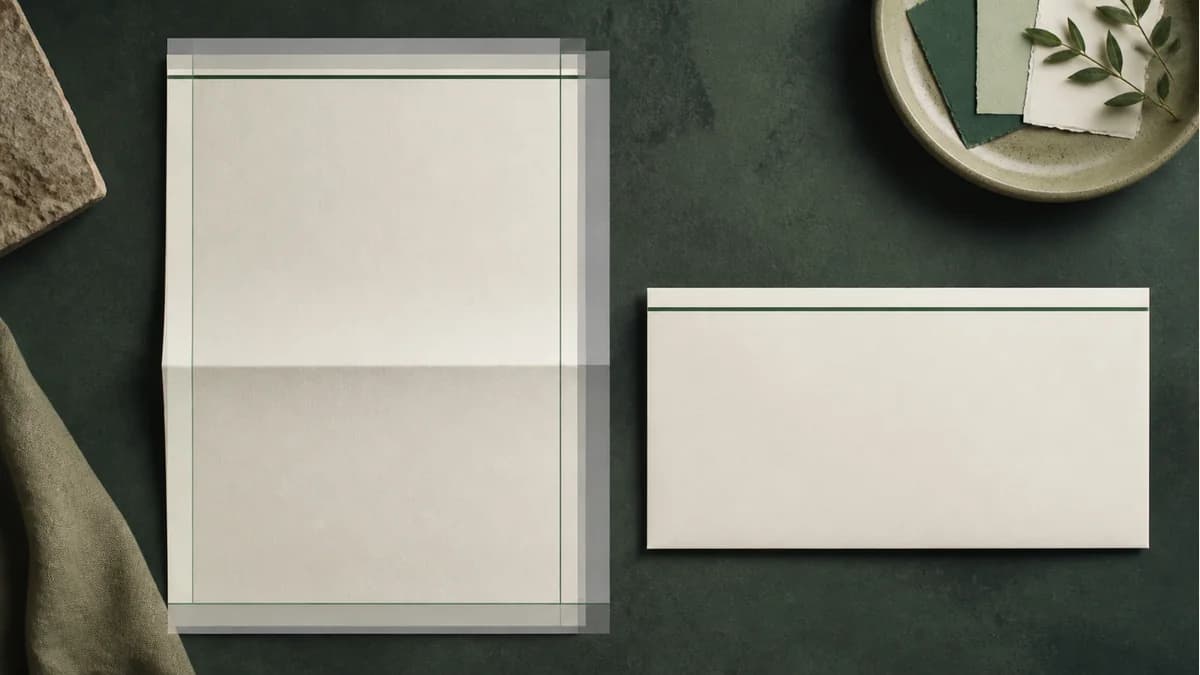
Plan the letter, not just the header
Leave usable space for the correspondence that will be added later. Check how the logo, contact details and other fixed information relate to the date, recipient, body and signature.
If letters use more than one page, decide whether continuation sheets need the same treatment. If the letter goes into a window envelope, check the address position after folding.
- The approved business or organization name and logo.
- Current address and relevant contact details.
- Any wording the organization requires.
- Which details belong on every letter and which will be added individually.
For nonprofits and schools, identify who approves the organization’s information. Don’t use an old letter as the only authority for current names, roles or wording.
Test the stock with the intended workflow
Tell the print provider which office equipment will add the correspondence. Confirm that the proposed stock and preprinted treatment are suitable for that use.
Use an appropriate sample for a practical test where possible. Check feeding, the appearance of the added text and any writing required. A heavier or more elaborate stock isn’t automatically a better letterhead.
Distinguish preprinted paper from the document template
A template used with preprinted sheets should leave room for the existing header. A version sent electronically may need to include the identity itself. Keep those versions clear so the header isn’t printed twice or omitted.
Review the complete letter at its finished size. Check readability, alignment, page breaks and the folded arrangement if mailing is part of the workflow.
Coordinate the identity without assuming a color match
Supply approved brand references when the letterhead needs to sit alongside business cards or other stationery. Ask how the selected paper and proof relate to that expectation.
Choose a quantity based on use and likely changes to the fixed information. Keep the approved file, stock specification and job reference for reorders.
In a letterhead request, describe both the printed sheet and the later office use. That gives the provider the information needed to assess a working document, not just a decorative header.