
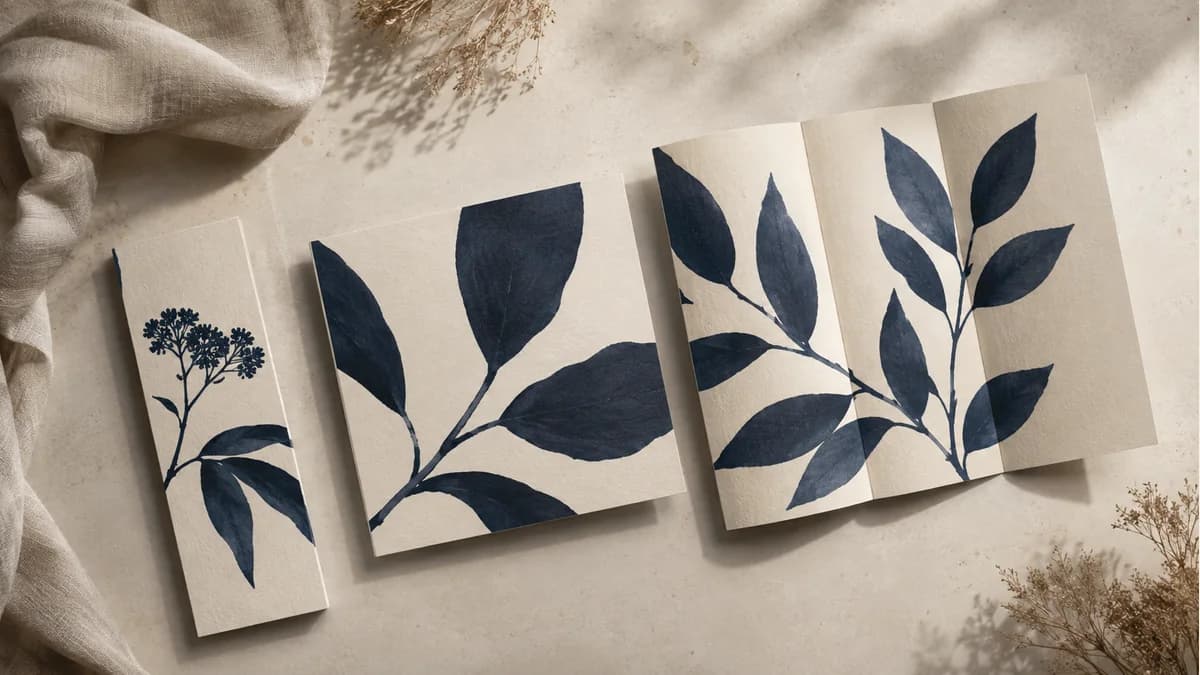
Marketing Collateral Printing

Forest Printingby Forest Printing
Marketing Collateral Printing

Your marketing materials are often the first impression potential customers have of your business. Whether it’s a sleek business card handed over at a networking event in Newport Beach or a detailed product brochure displayed at your Irvine showroom, these printed pieces work as silent salespeople for your brand. Yet many Orange County businesses struggle to create marketing collateral that truly connects with their audience and drives results.

At Forest Printing, we’ve been helping OC businesses transform their marketing ideas into impactful printed materials since 1979. From our Laguna Hills facility, we’ve watched countless local companies evolve their marketing strategies, and we’ve learned what separates forgettable flyers from collateral that generates real business growth. The difference often comes down to understanding not just what to print, but how to design, produce, and deploy materials that resonate with your specific market.

Understanding Marketing Collateral in Today’s Business Landscape

Marketing collateral encompasses all the printed and digital materials you use to communicate with customers, from business cards and brochures to banners and direct mail pieces. In Orange County’s competitive business environment, where companies from Costa Mesa to Mission Viejo vie for attention, your collateral needs to work harder than ever.

The most effective marketing materials serve multiple purposes. They inform potential customers about your products or services, reinforce your brand identity, and provide tangible takeaways that keep your business top-of-mind. A well-designed tri-fold brochure left behind after a sales meeting in a Foothill Ranch office park continues selling long after you’ve left the building.

Consider how different types of collateral support various stages of the customer journey. Awareness-stage materials like eye-catching flyers distributed at the OC Fair or Sawdust Festival introduce your brand to new audiences. Consideration-stage pieces such as detailed product catalogs help prospects evaluate your offerings against competitors. Decision-stage materials like testimonial sheets or case studies provide the final push toward conversion.

The key is creating a cohesive suite of materials that work together. Your business cards, letterhead, brochures, and signage should all tell the same brand story while serving their unique functions. This consistency builds trust and professionalism, especially important in Orange County’s relationship-driven business culture.

Selecting the Right Marketing Materials for Your Orange County Business

Choosing which marketing materials to invest in depends on your industry, target audience, and business goals. A Dana Point surf shop needs different collateral than a Lake Forest accounting firm. Understanding your specific needs helps allocate your marketing budget effectively.

Start by mapping out your customer touchpoints. Where and how do prospects first encounter your business? A real estate agent working the Ladera Ranch market might prioritize high-quality property brochures and eye-catching yard signs. A Tustin-based B2B software company might focus on professional presentation folders and detailed product sheets for trade shows at the Anaheim Convention Center.

Essential Marketing Collateral for Most Businesses

  • Business Cards: Still essential for networking events throughout Orange County, from Chamber of Commerce mixers to industry conferences. Quality cardstock and professional design make memorable first impressions.
  • Brochures: Perfect for providing detailed information about your services. Tri-fold designs fit easily in standard business envelopes and display racks.
  • Flyers: Cost-effective for promoting events, sales, or new locations. Ideal for distribution at local venues or inclusion in direct mail campaigns.
  • Postcards: Great for targeted marketing campaigns, especially with CASS-certified mailing services ensuring accurate delivery throughout OC.
  • Presentation Folders: Professional packaging for proposals, contracts, or information packets. Custom printing with your logo elevates your brand image.

Industry-Specific Collateral Considerations

Different industries benefit from specialized marketing materials. Restaurants throughout Orange County rely heavily on menus, table tents, and promotional flyers for grand openings or special events. Construction companies working from Brea to San Clemente need weather-resistant yard signs, vehicle graphics, and safety-compliant job site banners.

Retail businesses in shopping districts like Fashion Island or The Shops at Mission Viejo often use point-of-purchase displays, hang tags, and shopping bags as marketing tools. Professional service firms in Irvine’s business district typically invest in high-end stationery, annual reports, and capability brochures that reflect their expertise.

Request a free quote to discuss which marketing materials would work best for your specific business needs.

Design Principles for Effective Marketing Collateral

Great design transforms ordinary printed materials into powerful marketing tools. While trends come and go, certain design principles remain constant for creating collateral that captures attention and communicates effectively.

Visual hierarchy guides readers through your content in the intended order. Your company name or logo should typically appear prominently, followed by your key message or value proposition. Supporting details, contact information, and calls-to-action follow in order of importance. This structure works whether you’re designing a simple business card or a complex multi-page brochure.

Color Psychology and Brand Consistency

Color choices significantly impact how audiences perceive your materials. Blue conveys trust and professionalism, making it popular among Orange County financial services firms. Green suggests growth and environmental consciousness, appealing to eco-minded OC consumers. Red creates urgency and excitement, perfect for sale flyers or event promotions.

Maintaining consistent colors across all materials reinforces brand recognition. Forest Printing’s G7 certification ensures color accuracy across different print runs and materials, so your Pantone colors look identical on business cards and large format banners.

Typography and Readability

Font selection affects both aesthetics and functionality. Sans-serif fonts like Helvetica or Arial work well for headlines and modern brands. Serif fonts like Times or Georgia convey tradition and authority. Whatever you choose, limit yourself to two or three fonts maximum to maintain visual cohesion.

Consider your audience when sizing text. Materials targeting older demographics in communities like Laguna Woods or Seal Beach benefit from larger font sizes. Dense technical content for Irvine tech companies might require careful formatting with plenty of white space to improve readability.

Image Selection and Quality

High-resolution images make the difference between professional and amateur-looking collateral. Stock photography can work for general concepts, but authentic images of your actual products, team, or Orange County locations create stronger connections with local audiences.

When selecting images, ensure they support rather than distract from your message. A cluttered background or irrelevant stock photo weakens your overall impact. Professional photography might seem like an added expense, but it pays dividends in perceived value and brand credibility.

Print Production: Materials, Finishes, and Techniques

The physical qualities of your marketing materials communicate as much as the content itself. Paper weight, texture, and finish all contribute to the tactile experience that digital marketing can’t replicate.

Paper Selection for Different Applications

Business cards typically use heavyweight cardstock between 14-16 points for durability and professional feel. Brochures balance weight with foldability, often using 80-100 pound text weight with glossy or matte coating. Flyers for mass distribution might use lighter 60-70 pound paper to reduce costs while maintaining quality.

Environmental considerations matter to many Orange County consumers. Recycled papers and soy-based inks appeal to eco-conscious audiences while maintaining professional appearance. Forest Printing offers various sustainable options without compromising print quality.

Special Finishes and Effects

Strategic use of special finishes elevates your materials above the competition. Options include:

  • UV Coating: Creates high gloss and durability, perfect for business cards that see heavy handling
  • Matte Lamination: Provides elegant, fingerprint-resistant finish ideal for luxury brands
  • Spot UV: Highlights specific design elements like logos or headlines
  • Foil Stamping: Adds metallic accents for premium appeal
  • Embossing/Debossing: Creates tactile dimension that demands attention
  • Die Cutting: Enables unique shapes that stand out in any stack

Large Format and Specialty Printing

Beyond traditional collateral, large format printing opens new marketing possibilities. Trade show displays for events at the OC Fair & Event Center, retail window graphics for Main Street boutiques, or vehicle wraps cruising Pacific Coast Highway all extend your brand reach.

Dimensional materials like foam core signs, corrugated plastic yard signs, or vinyl banners serve specific marketing needs. Weather resistance becomes crucial for outdoor applications in Orange County’s varied microclimates, from coastal fog in Laguna Beach to inland heat in Anaheim.

Digital Integration with Print Marketing Materials

Modern marketing collateral bridges physical and digital worlds. QR codes, augmented reality triggers, and personalized URLs create interactive experiences that extend beyond the printed page.

QR codes have resurged in popularity, especially post-2020. Restaurant menus linking to online ordering systems, real estate flyers connecting to virtual tours, or event postcards directing to registration pages all demonstrate practical applications. The key is providing genuine value, not just digital gimmicks.

Variable Data Printing for Personalization

Variable data printing enables mass customization, particularly powerful for direct mail campaigns. Instead of generic “Dear Resident” messaging, each piece addresses recipients by name and includes relevant content based on demographics or purchase history.

For example, a Mission Viejo fitness center could send postcards featuring different class schedules to young professionals versus retirees, all within the same print run. This personalization significantly improves response rates compared to one-size-fits-all approaches.

Tracking and Analytics

Print materials can generate measurable results through various tracking methods:

  • Unique phone numbers or extensions for different campaigns
  • Custom landing pages with specific URLs
  • Promotional codes exclusive to printed materials
  • QR codes with built-in analytics

These tools help justify marketing spend and optimize future campaigns based on actual performance data.

Cost-Effective Strategies for Marketing Collateral Printing

Smart planning and strategic choices can significantly reduce printing costs without sacrificing quality. Understanding pricing factors helps make informed decisions that maximize your marketing budget.

Quantity Considerations

Printing operates on economies of scale – unit costs decrease as quantities increase. However, ordering excessive quantities to save money often backfires when materials become outdated or storage becomes an issue. Consider these factors:

  • How quickly will information change? Price lists and dated materials need smaller runs
  • Storage space availability at your Orange County location
  • Seasonal relevance – holiday promotions have limited shelf life
  • Testing new designs with smaller quantities before larger investments

Design Efficiency

Certain design choices impact printing costs. Standard sizes cost less than custom dimensions because they maximize paper usage and fit standard equipment. Full-bleed designs (printing to the edge) require larger paper and trimming, adding expense.

Color management also affects pricing. Four-color process printing works for most applications, while spot colors (specific Pantone matches) might increase costs but ensure brand consistency. Black-and-white or two-color designs can reduce expenses for budget-conscious projects.

Timing and Turnaround

Rush orders typically incur premium charges. Planning ahead allows for standard turnaround times and potential cost savings. Forest Printing’s typical turnaround ranges from 3-5 business days for standard products to 7-10 days for complex custom projects.

Consider seasonal demand when planning projects. Printing for summer events during spring break or holiday materials in early December often means competing for press time, potentially increasing costs and turnaround times.

Distribution and Deployment Strategies

Creating great marketing collateral is only half the battle – getting it into the right hands determines actual impact. Effective distribution strategies vary based on your target audience and marketing goals.

Direct Mail Campaigns

Despite digital marketing growth, direct mail remains highly effective for Orange County businesses. With CASS-certified mailing services, you can target specific ZIP codes, demographics, or even individual addresses with precision.

Local businesses benefit from neighborhood saturation mailings. A new restaurant in Aliso Viejo might target surrounding residential areas within a 3-mile radius. B2B companies could focus on specific business parks or industrial areas throughout Orange County.

Strategic Placement and Display

Physical placement of marketing materials requires thoughtful planning:

  • Retail Locations: Brochure racks, counter displays, and point-of-purchase materials in high-traffic areas
  • Professional Offices: Waiting room literature stands in medical offices, law firms, or service businesses
  • Community Boards: Coffee shops, libraries, and community centers throughout OC cities
  • Trade Shows and Events: Booth displays and handout materials for industry gatherings
  • Direct Sales: Leave-behinds for sales calls and presentations

Integrated Campaign Coordination

Marketing collateral works best as part of coordinated campaigns. Time print distributions to coincide with digital advertising, social media pushes, or seasonal buying patterns. A Dana Point boutique might distribute summer sale flyers just as radio ads begin and email campaigns launch.

Measuring Success and ROI of Print Marketing Materials

Tracking print marketing effectiveness requires deliberate planning but provides valuable insights for future campaigns. Establish clear metrics before launching any collateral distribution.

Key Performance Indicators

Different materials warrant different success metrics:

  • Direct Response Pieces: Track phone calls, website visits, or store traffic from specific campaigns
  • Brand Awareness Materials: Monitor brand recognition surveys or social media mentions
  • Lead Generation Collateral: Measure qualified leads generated and conversion rates
  • Event Promotion: Count attendance and track registration sources

A/B Testing Strategies

Test different versions of marketing materials to optimize performance. Try variations in:

  • Headlines and messaging approaches
  • Design layouts and color schemes
  • Offers and calls-to-action
  • Paper stocks and finishes

Even small improvements in response rates can significantly impact ROI when scaled across large distributions.

Long-term Value Assessment

Some marketing collateral provides value beyond immediate response. Quality brochures kept for reference, business cards that facilitate ongoing relationships, or catalogs that drive repeat purchases all contribute to long-term business growth.

Consider the lifetime value of customers acquired through print marketing efforts. A high-quality capabilities brochure that helps land a major corporate account in Irvine Spectrum might justify its cost many times over through years of ongoing business.

Marketing collateral remains a cornerstone of effective business promotion, especially in relationship-driven markets like Orange County. From the business card exchange at a Laguna Beach networking event to the detailed proposal presented in a Newport Beach boardroom, printed materials create tangible connections that digital alone cannot match.

Success comes from understanding your audience, investing in quality design and production, and strategically deploying materials where they’ll have maximum impact. Whether you’re a startup in a Lake Forest business incubator or an established company expanding across Orange County, the right marketing collateral elevates your brand and drives measurable results.

Forest Printing has helped Orange County businesses create impactful marketing materials since 1979. Our G7-certified color management ensures consistency across all your materials, while our range of printing options accommodates any budget or application. From simple business cards to complex marketing campaigns, we’re your local partner for professional printing that gets results. Get your free printing quote today and discover how the right marketing collateral can transform your business growth.

More articles

Nonprofit Printing: Efficient Solutions

Running a nonprofit in Orange County means balancing mission-driven goals with practical budget realities. Whether you’re organizing a fundraising gala in…

Read more

Print Quality: Paper, Ink & Resolution

When you hand someone your business card at a networking event in Newport Beach or display your company brochure at the Orange County Fair, the quality of…

Read more

Get Started

Ready to start your next printing project?

Tell us about your project and we'll provide a detailed recommendation within 24 hours.