
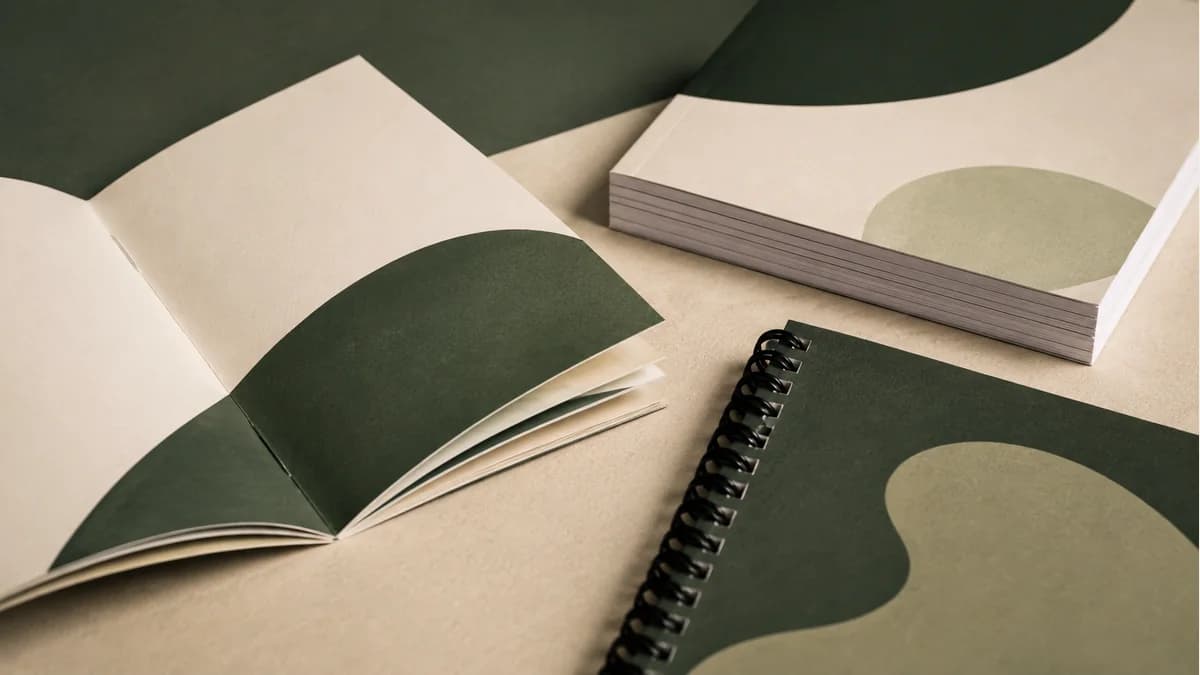
Break the job into its finished components
A commercial order may combine printed sheets, covers, inserts, forms and packaging. List each component, its quantity and how it fits with the others. A total sheet count doesn’t fully describe an assembled packet.
For NCR forms, distinguish finished sets from individual parts. For brochures and handouts, identify the flat and finished dimensions, sides or panels, and any versions.
Identify the preparation still required
Supply the current artwork and explain whether the copy and design are approved. File correction, a new layout and production from a ready file are different tasks.
State which information varies between editions. Use clear file names and keep superseded artwork out of the final submission. If another person or organization supplies part of the content, settle who collects and approves it.
Define the proof decision
Ask what the proposed proof demonstrates. Content and layout checks are different from evaluating a physical stock, fold or printed color.
- Check dimensions, page or panel order and all current wording.
- Review the quantities and names of the versions.
- Provide an approved reference for important material or color expectations.
- Identify the person authorized to approve the final production file.
Consolidate changes before responding. If the specification changes after approval, confirm the effect on price and schedule before proceeding.
Include every finishing step
Folding, binding, numbering, perforation, collating and packing each describe work beyond the printed image. Specify the steps your product actually needs and confirm the proposed construction.
Ask whether any outside work affects the sequence or handoff. The relevant question is how the complete job will be managed, not whether a broad service description suggests every step happens in one place.
Check the completed order against the scope
Confirm how the finished work will be divided, labeled, collected or delivered. On receipt, compare the product and arrangement with the approved specification, and report any concern through the agreed process.
Keep the job reference, approved artwork and useful assembly details for the next edition. Reconfirm the content and quantities when reordering. A clear record avoids having to reconstruct a complex packet from memory while leaving room for the next job to change.