
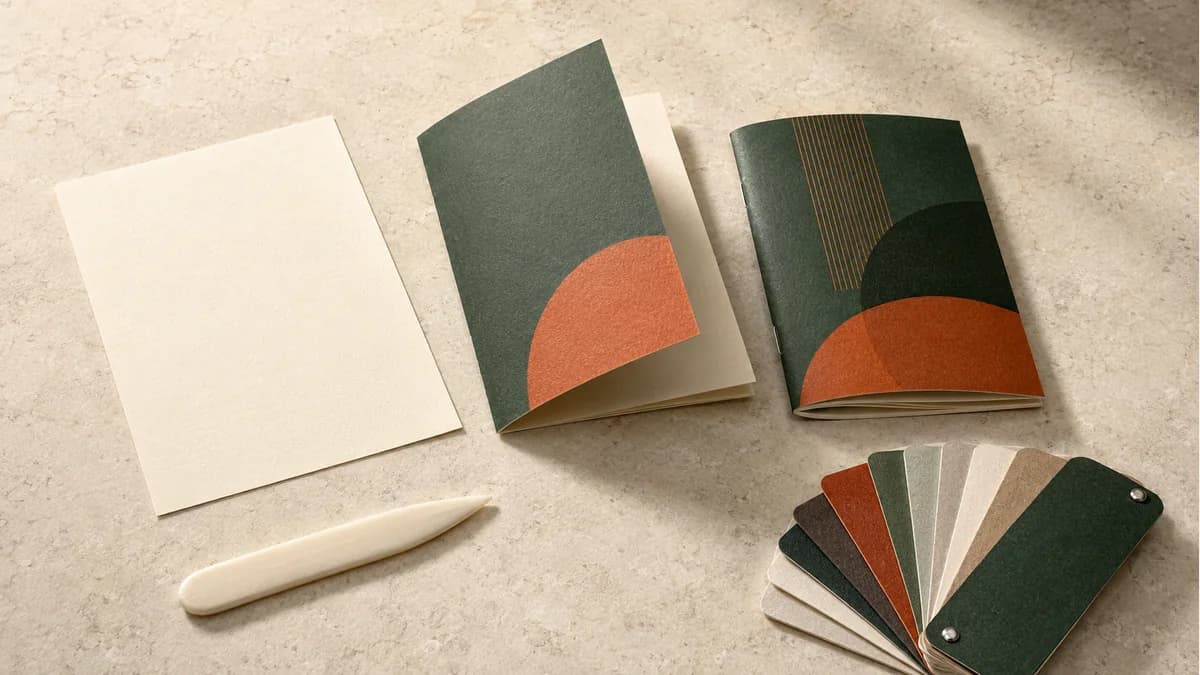
The Intricacies of Commercial Printing – Mastering the Craft

Forest Printingby Forest Printing
The Intricacies of Commercial Printing – Mastering the Craft

Running a successful business in Orange County means making countless decisions about how to present your brand professionally. Whether you’re launching a startup in Irvine’s tech corridor or managing an established retail shop in Newport Beach, understanding commercial printing fundamentals can save you thousands of dollars and countless headaches. After serving Orange County businesses from our Laguna Hills location since 1979, we’ve seen firsthand how the right printing knowledge transforms marketing materials from mediocre to exceptional.

Commercial printing encompasses far more than simply putting ink on paper. It’s a sophisticated process that combines technology, craftsmanship, and strategic thinking to create materials that drive business results. From the business cards you hand out at South Coast Plaza networking events to the banners displayed at your Dana Point Harbor storefront, every printed piece represents your brand and influences customer perceptions.

Understanding Modern Commercial Printing Technology

Today’s commercial printing landscape offers Orange County businesses an impressive array of options, each suited to different needs and budgets. Digital printing technology has revolutionized short-run projects, making it cost-effective to print 100 business cards or 500 flyers without the setup costs that once made small quantities prohibitively expensive. This technology uses toner or liquid ink applied directly to paper, similar to an office printer but with professional-grade quality and consistency.

Offset printing, on the other hand, remains the gold standard for larger quantities and projects demanding exceptional color accuracy. This process transfers ink from plates to rubber blankets before applying it to paper, creating crisp, consistent results across thousands of pieces. For Orange County businesses printing 5,000 or more brochures, offset typically offers better per-piece pricing and superior quality, especially for projects with critical brand colors or photographic imagery.

Large format printing opens entirely different possibilities, from trade show displays for the Anaheim Convention Center to outdoor banners that withstand coastal weather. These specialized printers handle materials up to 64 inches wide, printing on everything from vinyl and fabric to rigid substrates like foam core and corrugated plastic.

Variable data printing represents another game-changing technology, allowing businesses to personalize each printed piece with unique information. Imagine sending direct mail to Mission Viejo residents where each postcard addresses specific neighborhood concerns or showcases properties in their immediate area. This level of customization significantly improves response rates for HOA mailings and marketing campaigns.

The Science of Color Management in Professional Printing

Color consistency challenges even experienced marketers, particularly when translating digital designs to printed materials. Your logo might look perfect on screen but appear muddy or shifted when printed, frustrating brand managers across Orange County who’ve invested heavily in visual identity. Understanding color management prevents these costly mistakes and ensures your materials maintain professional consistency.

The fundamental difference lies in how screens and printers create color. Computer monitors use RGB (Red, Green, Blue) light to display colors, capable of showing vibrant, luminous hues that printing simply cannot reproduce. Commercial printing uses CMYK (Cyan, Magenta, Yellow, Black) inks that absorb and reflect light differently, creating a more limited but still extensive color range.

Professional printers like Forest Printing invest in G7 certification and color management systems to minimize these differences. Our calibrated monitors and proofing systems show clients accurate representations of final printed colors, preventing surprises when picking up completed orders. We regularly calibrate our equipment to industry standards, ensuring a business card printed today matches one printed six months ago.

Pantone Matching System (PMS) colors offer another solution for brand-critical colors. These specially mixed inks guarantee consistent color across different printers and substrates. While adding cost to projects, PMS colors prove invaluable for corporate logos and brand elements that must remain consistent across all materials. Many Orange County corporations specify PMS colors for their primary brand elements while using CMYK for photographs and secondary design elements.

Selecting the Right Paper and Materials

Paper selection impacts your project’s success as much as design and color choices. The tactile experience of holding a business card or brochure creates immediate impressions about your company’s quality and attention to detail. Orange County’s competitive business environment demands materials that stand out while remaining practical for their intended use.

Weight, measured in pounds for text papers or points for card stocks, determines thickness and rigidity. Standard business cards typically use 14-16 point card stock, providing substantial feel without excessive bulk. Brochures often utilize 80-100 lb text weight papers that fold cleanly while maintaining durability through repeated handling.

Coating options dramatically affect appearance and functionality. Gloss coatings enhance color vibrancy and create eye-catching reflections, perfect for retail flyers or restaurant menus featuring food photography. Matte coatings reduce glare and provide elegant sophistication, ideal for professional services firms in Newport Center or corporate communications.

Uncoated papers offer superior writability and convey environmental consciousness, making them popular for NCR forms and letterheads. These papers absorb ink differently than coated stocks, requiring adjusted color expectations and design considerations.

Specialty substrates expand possibilities beyond traditional paper. Synthetic materials withstand moisture and tearing, essential for outdoor applications or restaurant menus. Textured papers add dimensional interest to invitations and announcements. Recycled papers appeal to environmentally conscious Orange County businesses while maintaining professional appearance.

Design Principles for Print Success

Effective print design requires understanding technical requirements alongside aesthetic considerations. Bleed, the extension of design elements beyond trim lines, prevents unwanted white edges when guillotine cutting stacks of printed materials. Professional designers typically extend backgrounds and images 0.125 inches beyond final trim size, ensuring clean edges even with minor cutting variations.

Resolution requirements for print far exceed web standards. While websites display images at 72 dots per inch (DPI), commercial printing demands 300 DPI for crisp reproduction. Lower resolution images appear pixelated and unprofessional when printed, undermining otherwise excellent designs. This requirement means a business card design needs images roughly four times larger than website versions.

Typography considerations extend beyond font selection to technical printing capabilities. Very thin lines and small text can disappear or break up during printing, particularly with certain paper and ink combinations. Professional printers recommend minimum 6-point font sizes for critical information and avoiding hairline rules unless specifically designing for high-quality offset printing.

Color contrast becomes crucial for readability, especially for materials targeting Orange County’s diverse demographic. What appears legible on a bright computer screen might prove challenging under fluorescent office lighting or outdoor conditions. Testing designs under various lighting conditions prevents readability issues that render marketing materials ineffective.

Ready to elevate your business materials? Request a free quote and discover how professional printing enhances your brand impact.

Cost Factors and Budget Planning

Understanding commercial printing costs helps Orange County businesses allocate marketing budgets effectively. Quantity drives pricing more than any other factor, with per-piece costs dropping dramatically as volumes increase. Digital printing offers advantages for quantities under 500-1,000 pieces, while offset printing becomes cost-effective for larger runs.

Setup costs include file preparation, plate making for offset jobs, and press preparation time. These fixed costs spread across the total quantity, explaining why printing 1,000 business cards might cost only slightly more than 500. Smart businesses often print larger quantities of stable materials like business cards while maintaining flexibility for frequently updated materials like flyers.

Paper selection significantly impacts total costs. Premium papers and specialty finishes can double or triple material costs compared to standard options. However, investing in quality materials for critical touchpoints like business cards and capability brochures often generates returns through improved response rates and brand perception.

Turnaround time affects pricing, with rush orders commanding premium rates. Standard production typically requires 5-7 business days for digital printing and 10-14 days for offset projects. Planning ahead allows businesses to access standard pricing while ensuring materials arrive when needed for trade shows, grand openings, or marketing campaigns.

Additional services like design, mailing, and fulfillment add value while increasing costs. Many Orange County businesses find partnering with full-service printers more efficient than coordinating multiple vendors, particularly for complex projects like direct mail campaigns targeting specific ZIP codes.

Sustainability in Commercial Printing

Environmental consciousness influences purchasing decisions throughout Orange County, making sustainable printing practices increasingly important. Modern commercial printers implement numerous eco-friendly practices without compromising quality or significantly increasing costs.

Recycled papers now offer quality comparable to virgin stocks, with options ranging from 30% to 100% post-consumer waste content. These papers work well for most applications, though some photo-heavy projects might require virgin papers for optimal reproduction. Forest Printing offers various eco-friendly paper options suitable for everything from business cards to annual reports.

Soy and vegetable-based inks replace petroleum-based alternatives, reducing volatile organic compounds (VOCs) while maintaining vibrant colors. These inks also facilitate paper recycling, as they remove more easily during de-inking processes. Water-based coatings provide another environmentally friendly option, offering protection and enhancement without harmful solvents.

Print-on-demand capabilities reduce waste by eliminating obsolete inventory. Rather than printing large quantities that might become outdated, businesses can order smaller batches more frequently, ensuring materials remain current while minimizing disposal. This approach particularly benefits businesses with multiple locations or frequently changing information.

Responsible printing partners also implement internal sustainability practices, from recycling paper waste and aluminum plates to using energy-efficient equipment. Many participate in carbon offset programs or use renewable energy sources, allowing environmentally conscious businesses to align printing choices with corporate values.

Quality Control and Print Production

Professional printing involves multiple quality checkpoints ensuring consistent, error-free results. Pre-press procedures catch potential issues before costly printing begins. This includes checking image resolution, confirming colors convert properly from RGB to CMYK, and ensuring fonts embed correctly to prevent substitution.

Proof approval represents a critical step where clients verify colors, content, and overall appearance before full production. Digital proofs provide convenient review options, while hard copy proofs offer more accurate color representation for critical projects. Press checks allow clients to approve actual printed sheets during production, providing ultimate quality assurance for high-stakes projects.

Color bars and registration marks on press sheets enable operators to monitor and adjust color density throughout print runs. G7-certified facilities like Forest Printing follow standardized procedures ensuring consistent color reproduction across different presses and operators. This systematic approach minimizes variations that plague less sophisticated print providers.

Post-press quality control examines finished products for cutting accuracy, binding integrity, and overall appearance. Professional printers inspect samples throughout production runs, catching and correcting issues before they affect entire orders. This attention to detail distinguishes commercial printers from quick-print shops, particularly for projects requiring consistent quality across thousands of pieces.

Maximizing ROI from Commercial Printing

Strategic approach to commercial printing transforms it from expense to investment. Effective printed materials generate leads, support sales efforts, and build brand recognition throughout Orange County’s competitive marketplace. Understanding how to maximize return on investment helps businesses allocate resources wisely.

Design investment pays long-term dividends. Professional design might cost $500-2,000 upfront but creates templates and brand standards useful for years. This foundation ensures consistent, professional appearance across all materials while reducing per-project design costs. Many businesses find investing in comprehensive design packages more economical than piecemeal approach.

Targeting improves results while reducing waste. Rather than distributing generic flyers throughout Orange County, businesses achieve better results targeting specific demographics or geographic areas. Variable data printing enables personalization that dramatically improves response rates, whether addressing residents by name or customizing offers based on purchase history.

Integration with digital marketing multiplies impact. QR codes link printed materials to online resources, tracking engagement while providing additional information. Consistent branding across print and digital channels reinforces messages and improves recognition. Many successful Orange County businesses use printed materials to drive online traffic, then retarget those visitors with digital advertising.

Measurement enables continuous improvement. Including unique phone numbers, promotional codes, or landing pages on printed materials tracks response rates and ROI. This data guides future decisions about quantities, distribution methods, and design approaches, continuously improving marketing effectiveness.

Commercial printing remains a powerful tool for Orange County businesses despite digital marketing’s growth. Physical materials create tangible connections with customers, standing out in increasingly digital world. Business cards exchanged at Fashion Island networking events, brochures displayed in Laguna Beach galleries, and direct mail arriving in Mission Viejo mailboxes all create impressions digital marketing cannot replicate.

Success requires understanding printing technology, design principles, and strategic implementation. Partnering with experienced commercial printers provides access to expertise, technology, and quality control systems ensuring professional results. Whether printing 100 business cards or 10,000 brochures, informed decisions about materials, design, and production create materials that effectively represent your brand and drive business growth.

Ready to transform your marketing materials with professional commercial printing? Get your free printing quote today and discover how Forest Printing’s 40+ years of experience helps Orange County businesses succeed through superior printed communications.

More articles

Nonprofit Printing: Efficient Solutions

Running a nonprofit in Orange County means balancing mission-driven goals with practical budget realities. Whether you’re organizing a fundraising gala in…

Read more

Print Quality: Paper, Ink & Resolution

When you hand someone your business card at a networking event in Newport Beach or display your company brochure at the Orange County Fair, the quality of…

Read more

Get Started

Ready to start your next printing project?

Tell us about your project and we'll provide a detailed recommendation within 24 hours.