
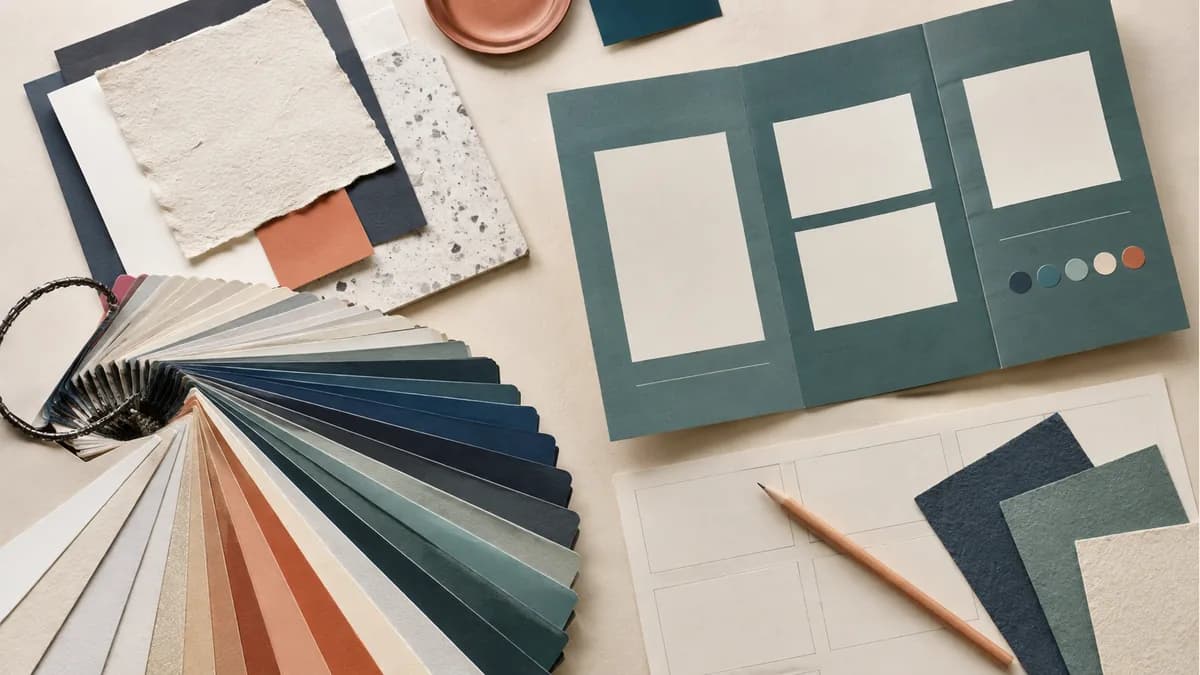
Print & Design Consultation

Your marketing materials are often the first impression potential customers have of your business. Whether you’re a startup in Irvine’s tech corridor or an established retailer in Fashion Island, the quality and design of your printed materials can make or break that crucial first interaction. Yet many Orange County business owners struggle with the same challenge: how to create print materials that truly represent their brand while staying within budget and meeting tight deadlines.
This is where professional print and design consultation becomes invaluable. Working with experienced printing professionals who understand both the technical aspects of production and the creative elements of design can transform your marketing materials from forgettable to remarkable. At Forest Printing in Laguna Hills, we’ve spent over four decades helping local businesses navigate these decisions, combining our G7-certified color management expertise with deep knowledge of what works in the Orange County market.
Understanding the Value of Professional Print Consultation
Many business owners underestimate the complexity involved in creating effective printed materials. It’s not just about choosing colors and fonts — it’s about understanding paper weights, coating options, binding methods, color spaces, and dozens of other technical considerations that directly impact the final product’s appearance, durability, and cost.
A professional print consultation bridges the gap between your vision and the technical realities of print production. During these sessions, experienced consultants analyze your brand guidelines, marketing objectives, target audience, and budget constraints to recommend the most effective solutions. For instance, a Newport Beach real estate agent might need luxury business cards with spot UV coating to match their high-end clientele, while a Mission Viejo contractor might prioritize durable, water-resistant materials that can withstand job site conditions.
The consultation process also helps identify potential issues before they become costly mistakes. Common pitfalls include designing materials at incorrect resolutions, choosing incompatible color combinations, or selecting finishing options that don’t align with the intended use. By catching these issues early, you save both time and money while ensuring your materials make the professional impression you intend.
Key Design Principles for Business Print Materials
Effective print design goes beyond aesthetics — it’s about creating materials that communicate your message clearly while reinforcing your brand identity. Professional designers understand how to balance visual appeal with functionality, ensuring your materials work hard for your business.
Typography and Readability
Font selection significantly impacts how your message is received. For business materials in Orange County’s competitive market, readability should never be sacrificed for style. Professional designers typically recommend limiting font choices to two or three complementary typefaces: one for headlines, one for body text, and possibly a third for accents or callouts.
Consider the viewing distance and context for your materials. A banner displayed at the OC Fair requires much larger, bolder typography than a tri-fold brochure handed out at a Dana Point Harbor networking event. Your consultant should help determine appropriate font sizes and weights based on each material’s specific use case.
Color Psychology and Brand Consistency
Colors evoke emotions and associations that directly influence purchasing decisions. In Southern California’s vibrant business environment, color choices can help your materials stand out while maintaining professional appeal. Blue conveys trust and reliability — perfect for financial services in Irvine’s business district. Green suggests growth and environmental consciousness, ideal for eco-friendly businesses in Laguna Beach. Orange and yellow communicate energy and optimism, working well for fitness centers or children’s services.
However, color in print requires technical expertise beyond simple selection. Your consultant should explain the differences between RGB (screen) and CMYK (print) color spaces, helping you understand why colors may appear different on printed materials than on your computer screen. G7-certified printers like Forest Printing ensure color consistency across all your materials, maintaining brand integrity whether you’re printing business cards or large-format banners.
Selecting the Right Printing Techniques for Your Project
The printing method you choose directly impacts quality, cost, and turnaround time. Understanding these options helps you make informed decisions that align with your business goals and budget.
Digital vs. Offset Printing
Digital printing offers quick turnaround times and cost-effectiveness for smaller quantities, typically under 500 pieces. It’s ideal for materials that need frequent updates, like restaurant menus in San Juan Capistrano that change seasonally or real estate flyers in Ladera Ranch that feature new listings. Digital printing also enables variable data printing, allowing you to personalize each piece with different names, addresses, or images — perfect for targeted marketing campaigns.
Offset printing becomes more economical for larger quantities, usually over 1,000 pieces. It delivers superior color accuracy and consistency, making it the preferred choice for brand-critical materials like annual reports or product catalogs. The setup costs are higher, but the per-piece price drops significantly with volume, making it ideal for businesses needing large quantities of consistent materials.
Specialty Printing Techniques
Beyond standard printing, specialty techniques can elevate your materials and create memorable impressions. Spot UV coating adds a glossy finish to specific areas, creating visual and tactile contrast. Embossing and debossing create raised or recessed designs that add dimension and sophistication. Foil stamping applies metallic or colored foil for a premium look, perfect for business cards or invitation packages.
Die cutting allows for unique shapes beyond standard rectangles, helping your materials stand out in a stack. These techniques work particularly well for businesses targeting Orange County’s luxury markets, from Fashion Island boutiques to Pelican Hill resort vendors.
Material Selection: Papers, Finishes, and Coatings
The substrate you choose — the actual paper or material you print on — significantly impacts both the look and feel of your finished pieces. Professional print consultants help navigate the overwhelming array of options to find materials that align with your brand positioning and practical requirements.
Paper Weights and Textures
Paper weight, measured in pounds or points, affects durability and perceived value. Business cards typically use 14-16 point cardstock for a substantial feel, while flyers might use lighter 100# text weight for cost efficiency. Brochures often fall somewhere between, using 80-100# cover stock that balances durability with foldability.
Texture adds another dimension to your materials. Smooth, coated papers provide excellent color reproduction and a professional appearance. Uncoated papers offer a more organic, approachable feel and accept pen ink for write-on applications like appointment cards or NCR forms. Specialty textures like linen, felt, or cotton papers can differentiate premium brands.
Protective Coatings and Finishes
Coatings protect your printed materials while enhancing their appearance. Aqueous coating provides basic protection against fingerprints and minor moisture. UV coating offers higher gloss and durability, ideal for materials that will be handled frequently. Matte or satin finishes reduce glare and provide an upscale appearance, popular among professional service providers in Newport Beach and Laguna Beach.
For materials exposed to outdoor conditions — like real estate signs in coastal areas or construction site banners — lamination or weather-resistant substrates become essential. Your consultant should consider Orange County’s unique climate factors, from marine layer moisture to intense summer sun, when recommending protective options.
Maximizing ROI Through Strategic Print Design
Effective print materials deliver measurable returns on investment by driving customer action. Strategic design consultation focuses on creating materials that not only look professional but also generate results for your business.
Call-to-Action Optimization
Every printed piece should guide recipients toward a specific action, whether visiting your website, calling for a quote, or visiting your location. Professional designers understand how to make these calls-to-action prominent without overwhelming the overall design. This might involve strategic use of color contrast, white space, or graphic elements that direct the eye.
For Orange County businesses, localizing your call-to-action can improve response rates. Instead of generic “Call now” messages, consider “Visit our Laguna Hills showroom” or “Schedule your free consultation at our Irvine office.” This localization builds trust and makes the next step feel more accessible.
Measuring Print Campaign Effectiveness
Modern print materials can incorporate tracking mechanisms to measure effectiveness. QR codes link physical materials to digital analytics, showing exactly how many people engage with your printed pieces. Unique phone numbers or promotional codes help track which materials drive the most response.
Professional consultants can help design these tracking elements seamlessly into your materials, ensuring they enhance rather than detract from the overall design. This data-driven approach helps optimize future print investments, focusing resources on the materials and messages that deliver the best results.
Sustainable Printing Practices for Eco-Conscious Businesses
Environmental responsibility resonates strongly with Orange County consumers, particularly in environmentally conscious communities like Laguna Beach and San Clemente. Sustainable printing practices can differentiate your business while reducing environmental impact.
Eco-Friendly Material Options
Recycled papers now offer quality comparable to virgin stocks, with options ranging from 30% to 100% post-consumer content. FSC-certified papers ensure responsible forest management throughout the supply chain. Soy and vegetable-based inks reduce petroleum use and VOC emissions while delivering vibrant colors.
For businesses wanting to make a stronger environmental statement, alternative substrates like bamboo, cotton, or seed papers (that can be planted after use) create memorable impressions while demonstrating commitment to sustainability.
Efficient Production Practices
Beyond materials, sustainable printing involves optimizing the entire production process. Gang-run printing combines multiple projects on single press sheets, reducing waste and energy consumption. Proper file preparation and proofing minimize reprints due to errors. Local production at facilities like Forest Printing reduces transportation emissions compared to out-of-state options.
Professional consultants can help balance environmental goals with budget constraints, identifying the most impactful sustainable choices for your specific needs. They can also help communicate your environmental efforts through design elements and messaging that resonate with eco-conscious customers.
Industry-Specific Print Solutions
Different industries have unique print requirements based on their target audiences, regulatory requirements, and usage contexts. Experienced print consultants understand these nuances and can recommend tailored solutions.
Real Estate Marketing Materials
Orange County’s dynamic real estate market demands materials that showcase properties effectively while building agent credibility. High-quality property brochures with professional photography and premium finishes help justify premium prices in markets like Newport Coast or Coto de Caza. Durable yard signs withstand coastal weather while maintaining professional appearance. Real estate professionals also need quick turnaround times to capitalize on new listings and market opportunities.
Restaurant and Hospitality Printing
Restaurants from Little Saigon to San Clemente Pier need menus that are both attractive and practical. Laminated menus resist spills and frequent handling, while sophisticated wine lists on textured paper enhance the dining experience. Takeout menus require different considerations — lightweight for cost-effective distribution but durable enough to survive drawer storage. Restaurant printing often involves frequent updates for seasonal menus or special promotions, making the relationship with a responsive local printer invaluable.
Professional Services Communications
Law firms, medical practices, and financial services in Orange County’s business districts require materials that convey professionalism and trustworthiness. Subtle design elements, premium papers, and flawless execution become critical. These industries often need secure printing for confidential materials, HIPAA-compliant processes for healthcare communications, or carbonless forms for contracts and agreements.
Common Print Design Mistakes and How to Avoid Them
Even experienced business owners can fall into common traps when creating printed materials. Understanding these pitfalls helps ensure your investment delivers maximum impact.
Technical Errors
Low-resolution images that look fine on screen often appear pixelated when printed. Professional standards require 300 DPI at final size for optimal quality. Insufficient bleed — the extra image area that extends beyond trim lines — can result in unwanted white edges. Improper color conversion from RGB to CMYK can cause unexpected color shifts, particularly in blues and greens.
Font issues frequently cause problems, especially when designers use fonts that aren’t properly licensed or embedded. This can result in text reflow or substitution that destroys carefully crafted layouts. Professional print consultants check for these issues during pre-flight, catching problems before they reach the press.
Design Missteps
Overcrowding is perhaps the most common design mistake. Business owners often try to include too much information, creating cluttered materials that overwhelm readers. Professional designers understand the power of white space and visual hierarchy, guiding readers through information in digestible portions.
Inconsistent branding across materials confuses customers and dilutes brand impact. This includes variations in logo usage, color application, or messaging tone. A comprehensive print consultation ensures all materials work together as a cohesive system, reinforcing your brand at every touchpoint.
Poor contrast between text and background makes materials difficult to read, especially for older audiences common in South Orange County’s retirement communities. Similarly, trendy design elements that sacrifice functionality for style often backfire, creating materials that fail to communicate effectively.
Professional print and design consultation transforms the often overwhelming process of creating marketing materials into a strategic advantage for your business. By combining technical expertise with creative insight and local market knowledge, experienced consultants help Orange County businesses create materials that not only look professional but also drive real results. Whether you’re launching a new venture in Lake Forest or refreshing materials for an established Mission Viejo company, the right guidance ensures your print investment delivers maximum impact. Ready to elevate your business’s printed materials? Request a free quote today and discover how Forest Printing’s 40+ years of experience can help your business make a lasting impression in the competitive Orange County market.
